
Most punters in Australia never think about what happens behind the scenes when a casino suspicious activity report gets filed. As someone who has spent over a decade building FP&A dashboards and KPI trackers for commercial teams, I know a clean report is worth more than a rushed one. Below is a practical walkthrough of how a player actually encounters and uses the reporting flow, with a few regional Queensland details to keep it grounded.
What the report actually captures
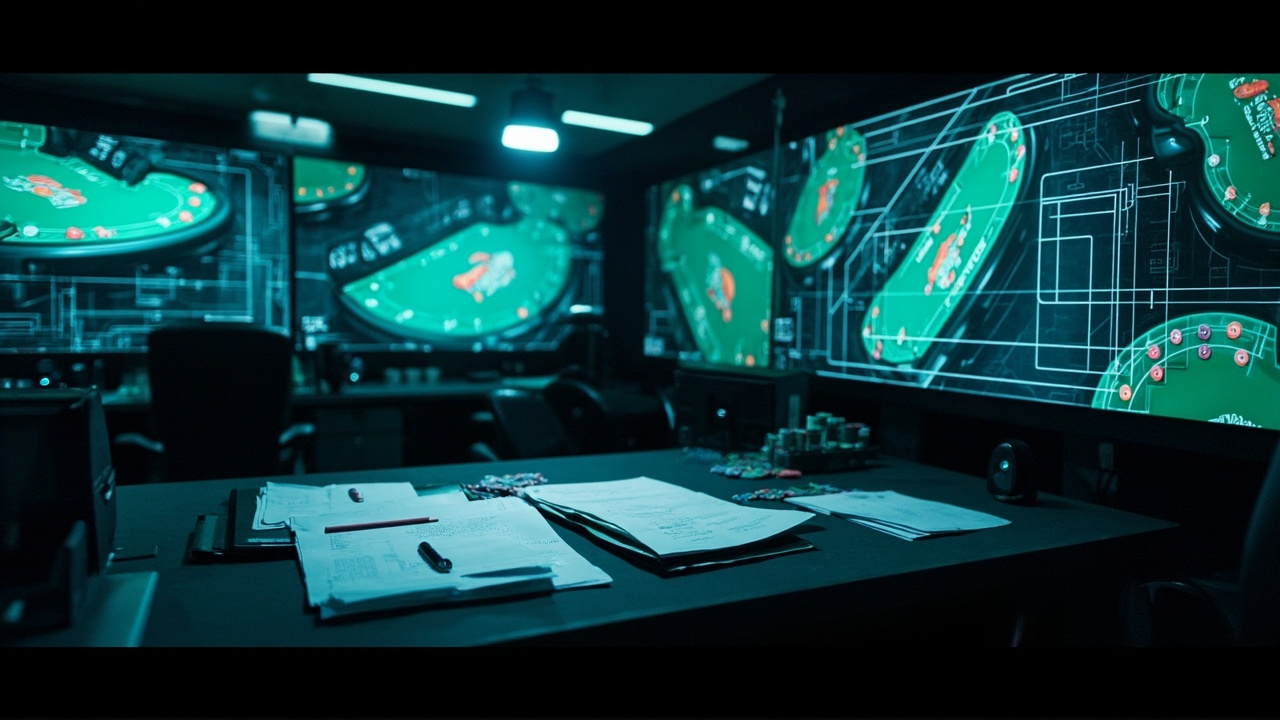
A casino suspicious activity report is not a complaint form; it is a structured log of behaviour that looks out of pattern for the venue or the player account. Staff watch for things like rapid bet cycling after a long quiet session, chip stacking that does not match the stated stake, or a mark that suddenly changes play style across several tables. The near-miss effect is relevant here because it can make a losing session feel like a near-win, and that emotional tilt sometimes pushes a player into repeated, unusual betting that triggers a flag. From a process-transformation angle, the report works best when the venue records the observable facts first and the interpretation second, so the file stays useful if it is reviewed weeks later. If you are comparing how different rooms structure these notes, you can read more on the broader game-lobby context at our sister site, where the same discipline of clear categorisation carries over to how slots and table games are grouped for discovery.
How a player runs into the process
You usually do not sit down and fill out a casino suspicious activity report yourself; the venue’s surveillance and floor staff do the heavy lifting, and you only notice it when a pit boss asks a calm question or a cashier slows the transaction for a check. In regional Queensland, where a busy Friday arvo can push the poker room and the main floor into overlap, the staff have to separate genuine play from behaviour that looks engineered. A practical way to think about the evaluation is the Independent Chip Model, because ICM values tournament chips by payout and gives a neutral baseline for what a stack should be worth at a given stage. When a player’s actions drift far from that baseline without a clear reason, the report notes the deviation rather than jumping to a verdict. The goal is a clean record that a manager can read in a minute and decide whether to keep watching, ask a question, or close the file.
| What staff note | Why it matters | How it is recorded |
|---|---|---|
| Bet timing and size changes | Flags pattern breaks from a normal session | Time-stamped log with stake and game |
| Chip movement that does not match stakes | Helps separate play from handling anomalies | Observation note with table and seat |
| Sudden style change across games | Shows whether the shift has a clear trigger | Short narrative plus the prior baseline |
| Cashier or cage transaction timing | Links floor behaviour to the money trail | Transaction reference tied to the session |
Reading the outcome without the jargon
Once a casino suspicious activity report is drafted, the useful part is whether it is specific enough to act on. A vague note about “suspicious play” is hard to use; a note that says the player increased stake three times in two hours after a string of near-misses, then returned to the original level, gives a manager something concrete. In my commercial strategy work, I have seen the same principle apply to KPI reviews: a metric without context just creates noise, while a metric with a baseline and a trigger tells you what to do next. The best reports read like a short timeline, not a conclusion, so the file can be revisited if the behaviour repeats or stops. If you want a related look at how game discovery and lobby organisation shape what players see before they ever reach the tables, there is a short piece on slot machines in New Zealand that touches on the same discovery problem from a different angle.
Keeping the record useful over time
A casino suspicious activity report only stays valuable if the venue keeps the format consistent and the reviewers actually use it. That means the same categories each shift, the same level of detail, and a clear handoff when one staff member finishes a session and another picks it up. In regional Queensland, where venues can run tight crews and shift changes happen fast, a sloppy handoff turns a good note into a dead end. The discipline is close to what I used to build in finance teams: standardise the input, then let the review process do the work instead of rewriting the same information three times. Players who understand that the report is about observable patterns, not assumptions, usually find the whole process less mysterious and easier to navigate.
Have you ever had a pit boss or floor manager ask a calm question mid-session, or watched a cashier slow things down for a check? Drop a comment below, send this to a mate who has been in that spot, and tell us how it played out.